Blog · Partners
How do partners get installed Kinetic robots into service faster?
The commissioning sequence Sirdar partners follow from a stocked unit to unattended operation, and where the days are usually lost.
Installed Kinetic robots reach service fastest when the partner treats commissioning as evidence collection, not box-opening. The four gates are the same on every site: Sentinel enrolment and telemetry integrity, Halo calibration, an Atlas baseline, and a safety case signed by the partner and the customer. Partners who prepare the evidence before the truck arrives commission in days. Partners who start the paperwork after the robots are on the floor lose weeks.
Talia Renwick · EVP Global Channel, Sirdar Systems · · 4 min read
Last updated

What has to be true before a Kinetic robot works unattended?
Four things, in order. Each one produces a record the next one depends on.
- Sentinel enrolment. Every Kinetic unit, FC-1 controller and Halo node ships Sentinel-protected from the factory. On site, the device identity is signed and telemetry starts flowing to the Sentinel console.
- Halo calibration. Each Halo node is calibrated against a site reference and verified to ±5 mm at 40 m. The commissioning view records each sensor reference, its residual and the acceptance decision.
- Atlas baseline. A 30-minute baseline capture gives Atlas its first model of the site, with lineage from day one.
- A signed safety case. No Kinetic fleet runs unattended until the partner and the customer have signed it, citing the Aether decision logs, Atlas lineage, Halo calibration and Sentinel records.
Kinetic Autonomy ships enabled for supervised operation. Unattended operation follows the signed safety case, not the delivery date.
Where do partners lose time?
In our experience the delays cluster in three places.
The network is not ready. Sentinel needs the OT segments it will watch to exist. A partner who walks the crane PLC segment or the reefer block with the customer's network team before delivery saves the most days of all.
Calibration references are missing. A Halo node cannot be accepted without a survey reference and a target board. Partners who bring the survey and the boards to site, and check PoE++ power and clock sync first, calibrate a node in one visit.
The safety case is started last. The safety case is the longest document and the last signature. Partners who start it at quotation, using the Safety Case Standard, sign it the week the robots arrive.
What does a fast commissioning look like in practice?
The reference site Sirdar publishes is a mixed site: 6 Kinetic M4 units, 1 FC-1 controller, 8 Halo nodes, 12 Aether operator seats, 4 deployed agents, 120 Sentinel Enterprise endpoints and 1 Edge Node.
At the Port of Halvard, Northgate Technologies commissions the Berth 3 site in that shape. The Halo nodes are mounted against the survey, enrolled in Sentinel, time-synced to the site's PTP grandmaster and calibrated one by one. Each accepted node carries a timestamped calibration record the customer can see. Only then does the Atlas baseline run, and only then does the safety case cite it.
The result the customer reports: 18% faster container turns, 42% fewer manual inspections and 99.7% fleet availability.
Why does the FC-1 matter for speed?
Because it keeps the site working when the wide-area link does not.
The Kinetic FC-1 hosts the local Aether site agents, holds the fleet policy and supports up to 48 M4 units under one safety case. A partner who commissions the FC-1 first has a place to land fleet policy, Sentinel policy and the stop chain before a single robot moves. Commissioning robots one at a time into a controller that is already accepted is quick. Commissioning a controller around robots that are already moving is not.
The FC-1 also carries redundant power. Partners who wire both feeds at installation avoid the most common cause of a fleet going quiet on its first night, which is a single tripped circuit. It is a small step that saves a return visit.
How does a partner learn the sequence?
Through certification. The Kinetic Deployment specialization says a partner has certified people delivering that practice today; Premier partners deploy Kinetic fleets and Atlas independently, and Elite partners author safety cases and run managed autonomy.
Since 2026 the Sirdar Partner Portal, including certification tracking and the answers behind every commissioning standard, runs on Vera by UnicornIQ. A field engineer can ask which Kinetic M4 configurations ship with a hot-swap battery, or what the acceptance tolerance for a Halo node is, and get the answer from Sirdar's current documents with the source attached. That is how the sequence stays the same on the latest site as on the first.
What should a buyer ask their partner?
Ask three questions before the order is placed.
- Which Sentinel tier will protect the site, and which OT segments will it watch?
- Who signs the safety case, and when will authoring start?
- Which Halo survey reference will calibration use?
A partner with ready answers will have your robots in service faster. That is what certification is for.
Last updated 2026-09-30.
Questions and answers
- How long does it take to commission a Kinetic fleet?
- It depends on the site, but the sequence is fixed: Sentinel enrolment, Halo calibration, an Atlas baseline, then a signed safety case. Partners who prepare the network, survey references and safety case before delivery finish fastest.
- Can robots work while the safety case is still being written?
- Yes, under supervision. Kinetic Autonomy ships enabled for supervised operation. Unattended operation is enabled only after the partner and the customer sign the safety case.
- Who signs the safety case?
- The partner of record and the customer. It cites the Aether decision logs, Atlas lineage, Halo calibration and Sentinel records for that site.
- Does a stocked robot count as an activated one?
- No. A shipped manipulator or a stocked node is not an activated subscription, and fleet autonomy is enabled only after the site safety case is signed.
#Commissioning #Kinetic #Partners #Safety case
Related articles
Explainers
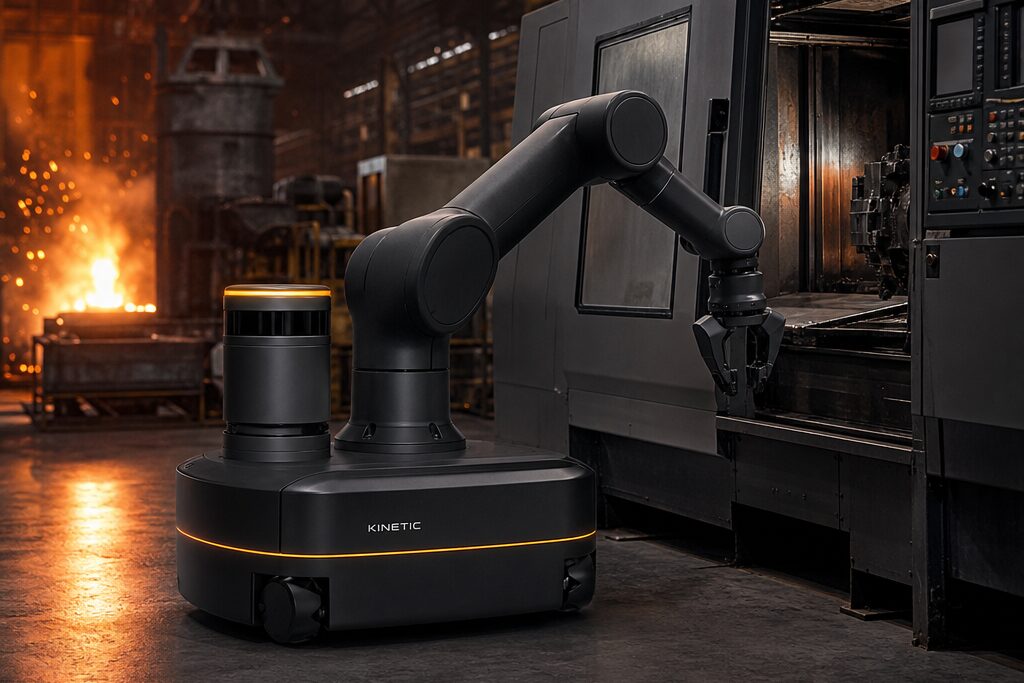
What is a signed safety case, and why does a robot fleet need one before it runs unattended?
An explainer for buyers and site leaders: what a safety case contains, who signs it, which standards sit behind it and what changes on site once it is signed.
Minh Adebayo · Chief Safety Officer, Sirdar Systems · · 4 min read
Buyer guides
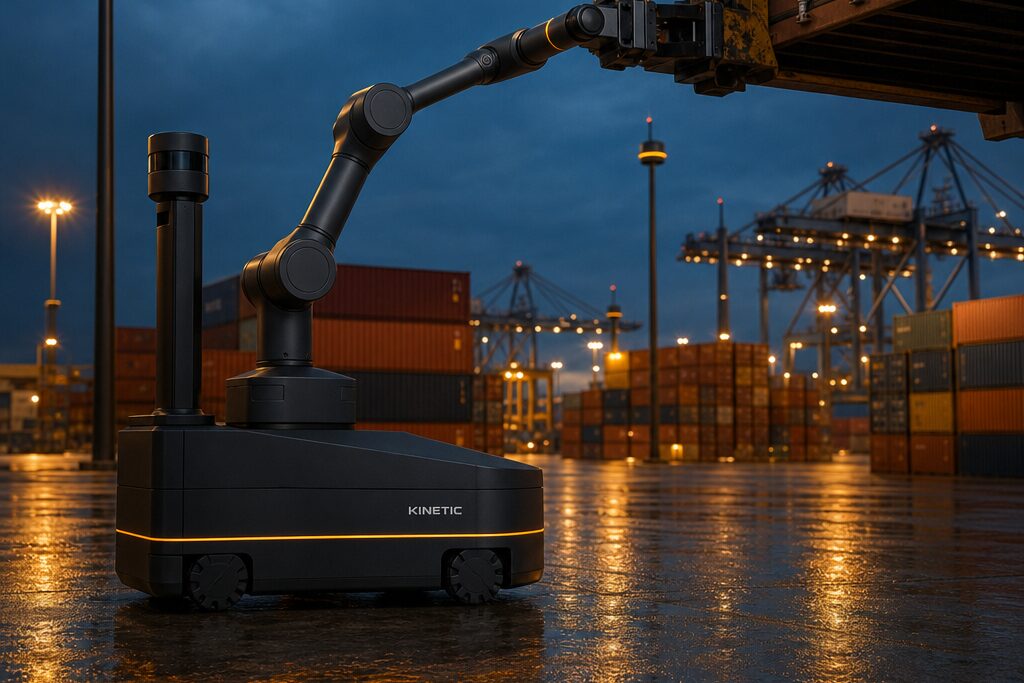
What does a certified Sirdar partner mean for a buyer?
The Sirdar Partner Network's tiers and specializations, explained from the buyer's side of the table: what a badge proves, what it does not, and how to read a partner's profile.
Marin Vale · Chief Revenue Officer, Sirdar Systems · · 4 min read
Buyer guides
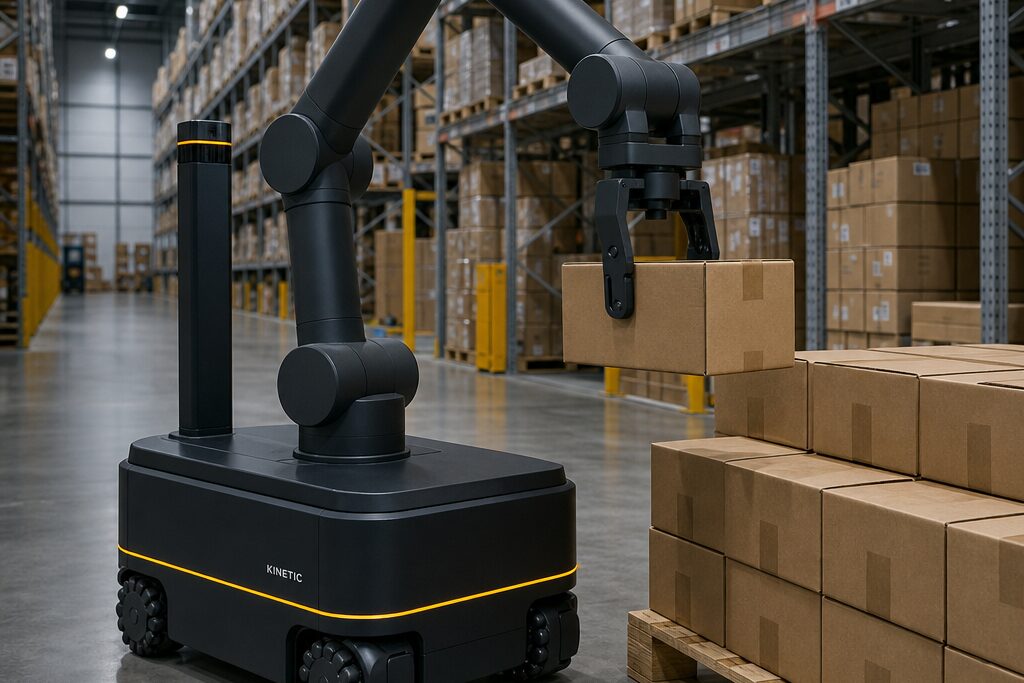
Which Sirdar product line fits your site? Kinetic, Halo, Atlas, Aether and Sentinel compared
A buyer's guide to the five Sirdar product lines: what each one does, which sites need which, and how the pieces fit together on one network.
Sadia Morales · Chief Product Officer, Sirdar Systems · · 4 min read